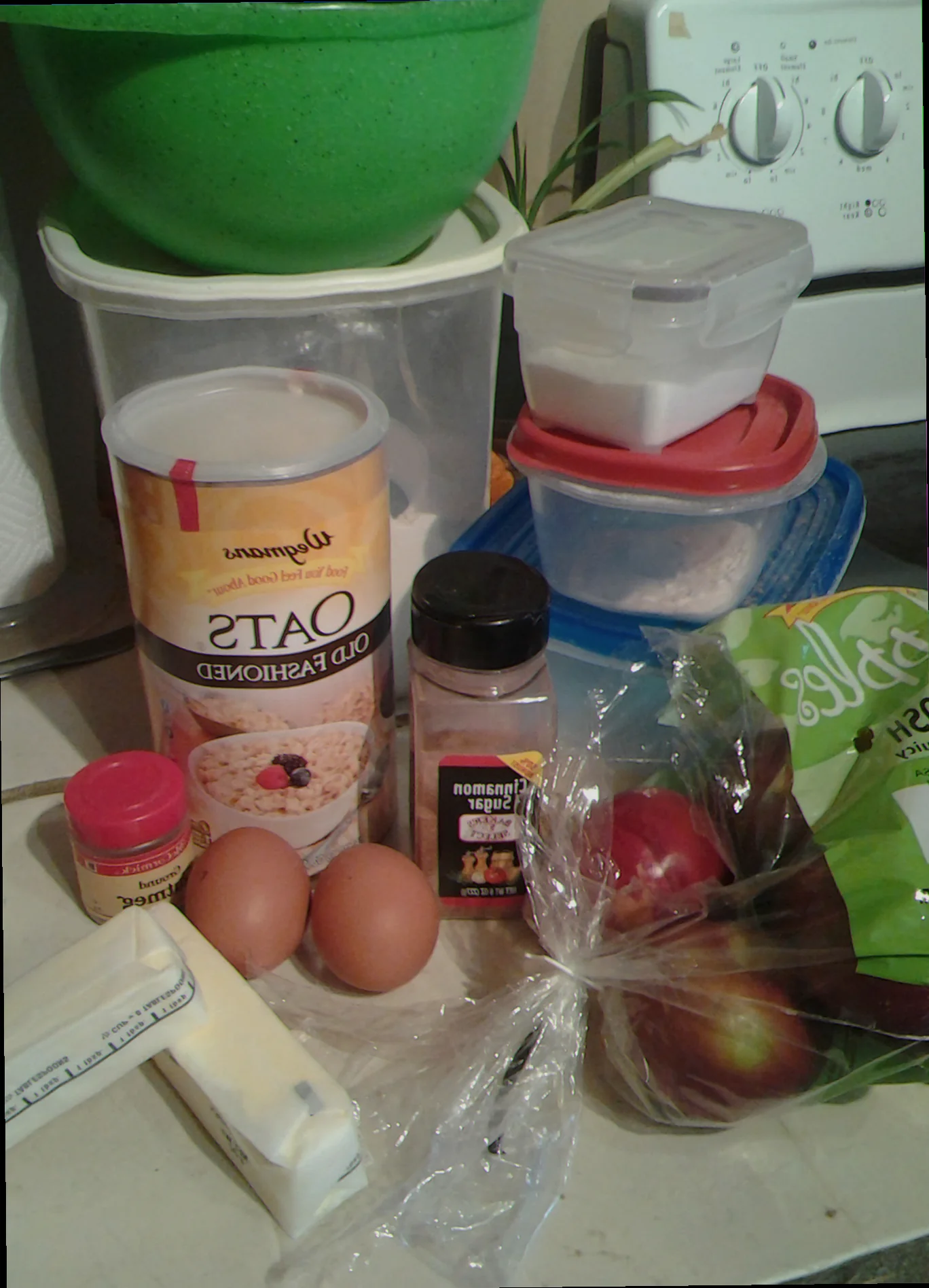
The chill wind of late October whips through the cobbled streets of a New Amsterdam settlement, carrying the scent of woodsmoke and the distant cry of gulls. Inside a modest, timber-framed dwelling, Martha Van der Zee, her hands dusted with flour, presses a crimped edge into a pale dough. The air in her small kitchen is thick with the comforting aroma of cooked apples, their tartness softened by warming spices. This is not just sustenance; it is a bulwark against the encroaching winter, a tangible representation of a newly forged identity, a New Yorker Apple Pie, born from necessity and seasoned with the longing for home.
Where Apple Pie Comes From — and Why It Was Invented
The story of apple pie, and specifically its New Yorker iteration, is not one of singular invention but of layered adaptation, deeply rooted in the agricultural realities and culinary traditions of 17th-century Holland and its colonial outpost in North America. The Dutch, inheritors of a long European tradition of fruit tarts and pastries, brought with them a practical approach to preserving the harvest. Apples, a relatively hardy and storable fruit, were a natural choice for baking. The problem they faced in New Netherland was not a lack of apples—orchards were soon established—but rather a need for a dish that could sustain families through the lean months, a portable, energy-dense food that could be prepared with readily available ingredients.
The original European precursors to apple pie were often more akin to a pastry-filled fruit compote, frequently using more exotic spices like nutmeg and mace, which were then luxury goods. The “pie” as a distinct dish, with a top and bottom crust encasing the filling, evolved over centuries. In the context of early New York, the driving force was pragmatism. The settlers needed to utilize what they could grow and what they could trade for. The harsh climate demanded foods that provided calories and were relatively easy to produce and store. The apple, with its capacity for storage and its agreeable flavour profile when cooked, became a cornerstone. This wasn’t about indulgence; it was about survival and the creation of a culinary anchor in a new, often unforgiving land.
The Ingredients as Historical Artefacts
Each component of the New Yorker apple pie is a testament to human movement and agricultural history, a story whispered in its flavour and texture.
Apples: The ubiquitous apple, Malus domestica, traces its lineage back to the wild apples of Central Asia, specifically the Tien Shan mountains of Kazakhstan. Through millennia of cultivation and trade, these fruits journeyed westward, reaching Europe with the Romans and solidifying their place in European agriculture. In the New World, European settlers introduced their cultivated varieties. For the early New Yorker pie, a mix of tart and sweet apples was often used, a practice born from necessity as orchard yields varied. The preferred varieties would have been those that held their shape when cooked, like Esopus Spitzenburg (a popular apple in colonial New York) or a tart, crisp apple that could balance the sweetness of added sugar. The substitution of softer, modern dessert apples can lead to a mushy filling, a significant departure from the intended texture.
Flour: The wheat that forms the backbone of the crust arrived with the earliest European settlers. While native grains like maize were present, wheat flour provided the structure and gluten necessary for a flaky pastry. Early Dutch settlers would have relied on coarsely ground flour, often milled locally, which would have imparted a slightly rustic texture to the crust. The refinement of flour milling techniques over time is reflected in the smoother, more delicate crusts of later eras.
Spices: The warming spices—cinnamon, nutmeg, and occasionally cloves—are perhaps the most telling historical artefact. These were not native to the Americas. Their presence in a humble colonial pie speaks volumes about the extensive global trade networks that connected even remote settlements to the wider world. Cinnamon from Sri Lanka, nutmeg from the Spice Islands (Indonesia), all travelled vast distances via the Dutch East India Company and other traders. Their inclusion, even in small quantities, elevated the pie from mere sustenance to a comforting echo of European culinary traditions, a taste of the familiar in an unfamiliar land.
Harvest Festivals — When and Why This Dish Is Made
In its nascent form, apple pie was not a dish for grand celebrations but for the practicalities of the turning seasons. Its presence was most keenly felt during the Autumn Harvest in colonial New York. As the apples ripened and were picked, a significant portion needed to be preserved for the coming winter. Baking them into pies offered a dual benefit: it made the fruit digestible and palatable over longer periods, and the pastry provided a protective casing.
The act of making apple pie was often a communal or family affair. Women, primarily responsible for household management and food preparation, would spend days peeling, coring, and slicing apples, their kitchens alive with the scent of baking. The pie was a staple on the table, appearing at everyday meals, but also gracing more informal gatherings—a neighbourly visit, a simple Sunday supper. Its availability signaled a successful harvest and the family’s preparedness for winter. It was a symbol of domestic competence and the bounty of the land, a comfort against the encroaching darkness and cold.
How Immigration Changed Apple Pie Forever
The journey of apple pie from its colonial origins to its iconic status is a narrative of migration and reinvention. As the United States expanded and its population diversified, so too did its culinary landscape. The Great Migration of African Americans, the waves of European immigration in the 19th and 20th centuries, and subsequent global movements all contributed to the pie’s evolution.
In New York City, a nexus of global trade and diverse populations, apple pie became a canvas for culinary exchange. Immigrants from various European backgrounds—Irish, Italian, Polish—brought their own pastry traditions and fruit-handling techniques. While the fundamental concept of a fruit-filled pie persisted, regional variations emerged. Some adopted richer, more buttery crusts, influenced by French patisserie. Others, particularly those with access to fewer refined ingredients, maintained a simpler, more robust pastry.
The most significant transformation, however, came with the increasing availability and affordability of sugar. As sugar plantations flourished in the Caribbean and elsewhere, and refining processes improved, sweetness became a more prominent element in American desserts. What was once a tart, spiced fruit filling gradually became sweeter, aligning with evolving American palates. This shift, while broadening the pie’s appeal, also marked a departure from the more austere, fruit-forward flavour profile of its colonial ancestors.
How to Make New Yorker Apple Pie — The Recipe in Full
This recipe aims to capture the spirit of a colonial-era New Yorker apple pie, emphasizing balance and the natural flavour of the fruit, with just enough sweetness and spice to evoke its historical context.
| Ingredient | Quantity | Why it’s here |
|---|---|---|
| For the Crust: | ||
| All-purpose flour | 300g | The foundational structure for the pastry, providing gluten for flakiness. |
| Cold unsalted butter | 150g | Cut into small cubes; provides richness, tenderness, and contributes to flakiness through steam creation. |
| Ice water | 60-80ml | Binds the dough without developing excess gluten, keeping the crust tender. Essential for a crisp crust. |
| Salt | 5g | Enhances flavour and strengthens gluten structure. |
| For the Filling: | ||
| Mixed apples (e.g., 2 Granny Smith, 2 Honeycrisp) | 1.2kg (approx. 6-7 medium) | A mix of tart and sweet apples provides complexity and holds shape. Granny Smith for tartness, Honeycrisp for sweetness and texture. |
| Granulated sugar | 75g | To balance the tartness of the apples. This is less than many modern recipes, reflecting a more fruit-forward approach. |
| Ground cinnamon | 5g | Warm spice, a key historical import that defined the flavour profile. |
| Ground nutmeg | 1g | A more subtle, complex spice, also a historical luxury. |
| Lemon juice | 15ml | Brightens flavours and prevents browning of apples. |
| All-purpose flour or cornstarch | 15g | As a thickener to absorb excess apple juices and prevent a watery pie. |
| Unsalted butter | 15g | Dotted over the filling before baking for richness and a smoother texture. |
| For the Glaze (Optional but recommended): | ||
| Egg yolk | 1 | Beaten with a splash of water; creates a golden, slightly crisp finish on the crust. |
| Milk or cream | 15ml | To thin the egg yolk and ensure even coverage. |
Method:
Begin by preparing the crust. In a large bowl, combine the flour and salt. Add the cold, cubed butter. Using your fingertips or a pastry blender, cut the butter into the flour until the mixture resembles coarse crumbs with some pea-sized pieces of butter remaining. This is crucial for flakiness. Gradually add the ice water, a tablespoon at a time, mixing until the dough just comes together. Be careful not to overwork the dough, as this will develop gluten and result in a tough crust. Divide the dough in half, flatten each half into a disc, wrap in parchment paper, and refrigerate for at least 30 minutes.
While the dough chills, prepare the apple filling. Peel, core, and slice the apples into approximately 1cm thick wedges. In a large bowl, combine the sliced apples with the granulated sugar, cinnamon, nutmeg, lemon juice, and 15g of flour (or cornstarch). Toss gently to ensure all the apple slices are evenly coated.
Preheat your oven to 200°C (180°C fan/Gas Mark 6).
On a lightly floured surface, roll out one disc of dough into a circle large enough to line your pie dish (approximately 23cm diameter). Carefully transfer the dough to the pie dish, pressing it gently into the base and up the sides. Trim any excess dough, leaving about a 1.5cm overhang.
Pour the apple filling into the prepared pie crust, mounding it slightly in the center. Dot the top of the apple filling with small pieces of the remaining 15g of butter.
Roll out the second disc of dough. You can create a solid top crust, cut vents in it, or fashion a lattice top. For a solid top crust, place it over the filling, trim the overhang to match the bottom crust, and then crimp the edges together to seal. If making a lattice, cut the dough into strips and weave them over the filling.
If using a glaze, whisk the egg yolk with the milk or cream and brush it evenly over the top crust.
Place the pie on a baking sheet (to catch any drips) and bake at 200°C for 20 minutes. Then, reduce the oven temperature to 180°C (160°C fan/Gas Mark 4) and continue baking for another 30-40 minutes, or until the crust is golden brown and the filling is bubbling. If the crust begins to brown too quickly, you can loosely tent the pie with aluminium foil.
Allow the pie to cool for at least 2-3 hours before slicing. This allows the filling to set properly, ensuring clean, neat slices and preventing a watery presentation.
The Authenticity Dilemma — What Authenticity Actually Means for This Dish
The question of “authenticity” in apple pie, particularly the New Yorker version, is a complex one. Purists might argue for a specific heirloom apple variety, a hand-milled flour, and a crust made solely with lard. They might point to the reduced sugar content of this recipe as a deviation from the overly sweet pies prevalent today. And in a strict sense, they have a point. The pie of Martha Van der Zee was undoubtedly different from what we commonly encounter now.
However, authenticity is not static; it is a living, breathing concept that evolves with culture and circumstance. What was considered “authentic” in 17th-century New Amsterdam was a pragmatic response to available resources and prevailing tastes. The inclusion of spices, themselves imports, was a deliberate choice to replicate familiar flavours from Europe, a form of culinary acculturation.
The tension lies in preserving the spirit of the dish while adapting to modern realities. The modern apple pie, often sweeter and with softer apples, reflects a shift in ingredient availability, agricultural practices, and a broader American palate that has embraced sweetness. To dismiss these adaptations entirely is to ignore the dynamic nature of food history. The “New Yorker” apple pie, in its historical context, was itself an adaptation. The true authenticity, therefore, lies not in slavishly replicating a single historical moment, but in understanding the forces that shaped the dish and making conscious choices that honour its past while embracing its present. The core elements—a balanced apple filling and a well-executed crust—remain paramount.
What Apple Pie Has Become — and What That Tells Us
Today, apple pie is arguably the quintessential American dessert, a symbol of comfort, home, and national identity. Its journey from a colonial necessity to a globally recognized icon is a testament to its adaptability. In New York City, it’s found in every iteration: from the no-frills diners serving generous slices with a scoop of vanilla ice cream, to the artisanal bakeries offering innovative flavour combinations and meticulously crafted crusts.
The pie’s ubiquity speaks to its universal appeal. It has been adopted and adapted by countless cultures, each imbuing it with their own culinary nuances. Its presence in globalized food markets, while perhaps a commodification, also signifies a cultural export, a sweet ambassador of American cuisine.
However, this widespread popularity also risks homogenizing the dish. The nuanced flavour profiles of heirloom apples can be lost in mass production, and the simple beauty of a well-made crust can be overshadowed by artificial flavourings and excessive sweetness. Yet, the enduring power of apple pie lies in its ability to evoke a sense of nostalgia and comfort. It reminds us of simpler times, of shared meals, and of the enduring human need to create something nourishing and delightful from the bounty of the earth. The New Yorker apple pie, in its historical context and its modern manifestations, continues to tell a rich story of migration, adaptation, and the enduring power of food to connect us to our past and to each other.
Questions About Apple Pie
What is the single ingredient you should never substitute in this New Yorker apple pie?
The apples themselves are the non-negotiable. While the specific variety can be debated, using a mix of apples that provide both tartness and a firm texture when cooked is crucial. Substituting exclusively with soft, mealy apples will result in a mushy, indistinct filling, fundamentally altering the pie’s character.
How does this New Yorker apple pie differ between its origin and, say, a modern Los Angeles interpretation?
The New Yorker pie, rooted in its colonial Dutch-English heritage, would traditionally feature a less sweet, more fruit-forward filling, with spices like cinnamon and nutmeg. The crust would likely be more rustic, made with lard or a combination of butter and shortening, designed to be sturdy. A modern Los Angeles interpretation might lean towards a more intensely sweet filling, perhaps incorporating artisanal sugars, a wider array of spices (like cardamom or ginger), and a crust made primarily with European-style butter for a more delicate, flaky texture, often served with boutique ice creams.
Related topics: Best tasting apple pie filling recipe · The ultimate caramel apple pie recipe · Apple pie recipe small batch
Is there a version of this New Yorker apple pie that is accessible to make at home without special equipment?
Absolutely. The crust can be made entirely by hand using just a bowl and your fingertips. The key is ensuring your butter and water are very cold. For the filling, a sharp knife and a cutting board are all you need for prepping the apples. A standard 9-inch pie dish is common, but you could even adapt the recipe to individual ramekins or a cast-iron skillet if you don’t have a pie plate. The most important “equipment” is patience and attention to temperature.