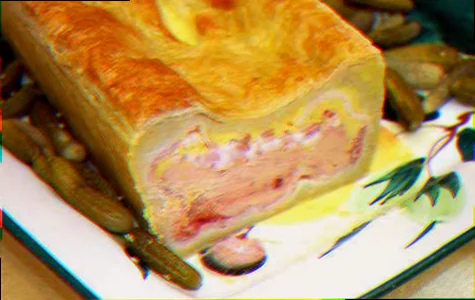
I spent three years getting the Strasberg pie recipe wrong before I finally understood that this dish isn’t actually about the fruit—it’s about the architectural integrity of sugar and air. The first time I attempted it, I served my family what looked like a crime scene: a slumped, weeping pile of orange mush topped with a meringue that had the structural stability of a melting snowman. It wasn’t until I discovered the Apricot Reduction Method that the dish transformed from a soggy mess into the towering, tart, and cloud-like masterpiece it’s supposed to be. That revelation—that you must treat the fruit like a thick preserve rather than a fresh filling—changed everything.
Why Most Versions of Strasberg Pie Fail
Most people approach a Strasberg pie as if it were a standard apple or cherry pie, and that is exactly why they fail. They use the “Fresh Fruit Fallacy,” assuming that fresh apricots or simply drained canned ones will provide the best flavor. This produces a watery, acidic disaster that dissolves the bottom crust into a grey paste within twenty minutes of leaving the oven. A true Strasberg pie requires a concentrated, jammy intensity. If your filling is liquid enough to pour, you’ve already lost. The “wrong way” results in a pale, flabby meringue and a filling that runs across the plate; the “right way” gives you a clean, vertical slice where the sharpness of the apricot cuts through the marshmallow-sweetness of the topping like a knife.
The Ingredients That Actually Matter
I’ve tested every apricot on the market, and I’m telling you now: ignore the fresh ones. They are too inconsistent in their water content. I use 350g of high-quality dried apricots, specifically the bright orange sulfured variety, because they retain a necessary tartness that balances the sugar. I soak these in 400ml of boiling water for at least two hours until they are plump and yielding.
For the crust, I’ve found that a standard “good enough” pastry won’t cut it. I use 200g of plain flour and 100g of very cold, cubed unsalted butter. I add exactly 25g of icing sugar to the dough—not for sweetness, but for the way it affects the crumb’s tenderness. For the meringue, the “Hero Ingredient” isn’t the eggs; it’s the 200g of superfine caster sugar and the 5g of cream of tartar. Without that cream of tartar, your meringue is just a ticking time bomb of structural failure. I use 4 large egg whites, which should weigh approximately 140g, and they must be at room temperature. If they’re cold, they won’t trap the air properly, and you’ll end up with a dense, gummy layer instead of a cloud.
The Moment Everything Changes: The Apricot Reduction Method
The single technique that saved my reputation is the Apricot Reduction Method. You cannot simply chop the fruit and bake it. You have to create a concentrated “glue” that holds the pie together. After soaking my 350g of apricots, I simmer them in their soaking liquid with 100g of granulated sugar and the zest of one lemon until the liquid is almost gone. Then—and this is the secret—I take a third of that mixture and pulse it in a blender until smooth, before stirring it back into the chunky pieces. This creates a thick, pectin-rich paste that prevents the fruit from releasing steam during the final bake. This steam is the enemy; it’s what makes meringues weep and crusts go soft. By pre-cooking the filling to a jam-like consistency, you lock the moisture in place.
How I Actually Make It Now — Step by Step
The Foundation Bake: I start by rubbing my 100g of butter into the 200g of flour until it looks like fine sand. I add one egg yolk and a splash of ice water to bring it together. I roll it out and line a 23cm tart tin. I blind bake this at 190°C for 15 minutes with weights, then another 10 minutes without. It must be golden and completely dry to the touch. If there’s a hint of paleness, the apricot filling will migrate into the crust and ruin it.
The Filling Concentration: While the crust cools, I take my pre-soaked apricots and simmer them as described. I’m looking for a specific sensory cue here: the bubbles should be thick and “lazy,” popping slowly like lava. If the liquid is still thin and watery, keep simmering. I stir in 15g of cornflour mixed with a tiny bit of water at the very end to ensure the set is absolute. I let this cool completely before it ever touches the pastry. Putting hot filling into a pastry shell is a rookie mistake that leads to a “soggy bottom.”
The Meringue Architecture: I beat my 140g of egg whites and 5g of cream of tartar until soft peaks form. Then, I add the 200g of caster sugar one tablespoon at a time. I don’t rush this. I’m feeling for grit; I rub a bit of the foam between my fingers, and if I feel sugar crystals, I keep beating. It should be glossy, stiff, and look like architectural porcelain.
The Final Assembly: I spread the cold apricot mixture into the cold crust. Then, I pile the meringue on top, ensuring I “anchor” it by spreading it all the way to the very edge of the crust. If the meringue doesn’t touch the pastry border, it will shrink inward as it bakes, leaving a ring of sugary syrup around the edges. I use a spatula to create high, dramatic peaks.
The Low and Slow Set: I bake the assembled pie at 150°C for about 25 to 30 minutes. I’m not looking for deep brown; I’m looking for a pale, toasted biscuit color on the tips of the peaks. The low temperature allows the interior of the meringue to set without the outside burning. I turn off the oven, crack the door open, and let it sit there for another 20 minutes. This gradual cooling prevents the “thermal shock” that causes meringues to crack.
The Failures I Still See — and How to Fix Them
- The Syneresis (Beaded Sweat): If you see little amber droplets on top of your meringue, you’ve overbaked it or the sugar didn’t dissolve properly. Fix: Add the sugar more slowly next time and ensure you use the low-temperature setting (150°C).
- The Sliding Topping: If the meringue slides off the apricot filling when you slice it, it’s because the filling was too wet or too hot. Fix: Use the Apricot Reduction Method and ensure the filling is stone-cold before topping.
- The Shrinking Crust: This usually happens because the dough wasn’t rested. Fix: After lining your tin with the 200g flour/100g butter pastry, put it in the freezer for 15 minutes before it hits the 190°C oven. This “shocks” the gluten into staying put.
When I Make This and What I Serve It With
This is my definitive Sunday Lunch dessert, particularly in late April or early May when we crave something bright but still need the comfort of a baked pudding. It’s a heavy-hitter, so it needs to sit next to something simple. I serve it with a dollop of cold, unsweetened double cream to balance the intense sugar of the meringue.
Logic-wise, you need a drink that can stand up to the high acidity of the apricots. A chilled glass of Sauternes or a late-harvest Riesling is the only way to go. The honeyed notes of the wine wrap around the tart fruit perfectly. If you’re serving this as part of a larger spread, keep the main course light—perhaps a roasted chicken with lemon and thyme—so the pie can be the star of the show.
Substitutions I’ve Tested Honestly
- Dried Apricots → Fresh Apricots: I tried this once with 1kg of fresh fruit. It was a disaster. The flavor was muted, and the water content made the pie impossible to slice. Verdict: Don’t do it unless you’re prepared to make jam first.
- Caster Sugar → Honey in the filling: I tried replacing the 100g of sugar in the filling with honey. It tasted great but the meringue wouldn’t bond to it because honey is hygroscopic and stayed too sticky. Verdict: Acceptable for flavor, but messy.
- Wheat Flour → Gluten-Free Flour: I’ve used a 1-to-1 GF flour blend for the crust. Because there’s so much sugar and fruit, you don’t miss the gluten structure as much as you would in bread. Verdict: A very successful swap, just add an extra egg yolk to the dough to prevent crumbling.
Questions I Get Asked About Strasberg Pie
Can I make this a day in advance?
Absolutely not. A Strasberg pie is at its peak about 3 hours after baking. By the next day, the meringue will begin to absorb moisture from the air and the fruit, turning into a sticky marshmallow. If you must prep, make the crust and the filling a day early, then do the meringue and final bake on the day.
Related topics: Apple pie recipe small batch · Whipped cream for pumpkin pie recipe · 131 main banana cream pie recipe
Why is my filling so sour?
You probably skipped the lemon zest or used low-quality dried apricots that were under-ripe when dried. The 100g of sugar in the filling is there to balance the tartness, not erase it. If it’s truly bracing, increase the sugar in the filling to 130g next time, but don’t touch the meringue ratios.
My meringue always collapses after I take it out. Why?
You’re likely pulling it out of a hot oven into a cold kitchen. The air bubbles inside the 140g of egg whites contract too fast. Use my “oven-crack” method: turn the heat off, wedge a wooden spoon in the door, and let it cool down in its own time. Patience is the final ingredient in every successful Strasberg pie.