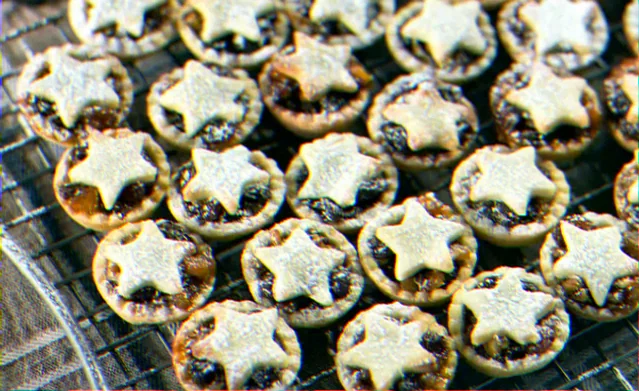
The scent of mulling spices, a rich tapestry woven from cinnamon, cloves, and ginger, hangs heavy in the air of a medieval English manor kitchen. It’s the eve of the Winter Solstice, the shortest day of the year, and the hearth crackles with a warmth that pushes back the encroaching darkness. Eleanor, her hands dusted with flour, carefully presses a small disc of pastry into a shallow tin, her movements precise, honed by generations of practice. Into this nascent cup, she spoons a dark, jewel-toned filling, its aroma hinting at sun-drenched lands and arduous journeys. This is no mere pastry; it is a promise of light in the deepest winter, a miniature vessel of history and hope, a mince pie.
Where Mince Pies Come From — and Why They Were Invented
The story of the mince pie begins not in England, but in the vibrant, bustling trade centres of the Levant, specifically in the region that is now the Middle East, around the 13th century. It was a time when the Crusades, though waning, had irrevocably linked East and West, not just through conflict, but through the exchange of goods, ideas, and, crucially, flavours. Medieval Europeans, particularly those in monastic communities and wealthy households, were captivated by the exotic spices and fruits that filtered back from the Holy Land. These ingredients, once rare and astronomically expensive, offered a pungent, complex counterpoint to the often bland and monotonous fare of Northern European winters.
The earliest precursors to the modern mince pie were not sweet treats, but rather savoury pies, often called ‘coffins’ due to their sturdy pastry shells designed to preserve the filling. These pies were a necessity in an era before reliable refrigeration. They served as a portable, long-lasting food source, ideal for travellers, soldiers, and for stocking larders through the lean winter months. The initial impetus for these pies was preservation; the spices, while adding flavour, also possessed antimicrobial properties, extending the edible life of the filling. The combination of meat, dried fruit, and spices was a practical solution to a culinary and logistical problem: how to feed people well when fresh ingredients were scarce and spoilage was a constant threat. The mince pie, in its nascent form, was born from a desire for sustenance, flavour, and longevity in a world dictated by the seasons.
The Ingredients as Historical Artefacts
The mince pie is a microcosm of global trade and agricultural history, each ingredient a testament to journeys spanning continents.
Dried Fruits (Raisins, Currants, Sultanas): These are the sweet, concentrated heart of the mince pie. Their origins lie in the fertile crescent, with the domestication of grapes dating back millennia. As the vine spread through ancient Egypt, Persia, and Greece, so too did the practice of drying grapes to preserve their sweetness. Arab traders, masters of the Silk Road and maritime routes, were instrumental in bringing these dried fruits to Europe. The Venetian Republic, with its vast trading network, played a key role in their distribution across the continent. The ‘currant’ in mince pies is not the modern berry, but a small, seedless raisin, specifically the Black Corinth grape, prized for its intense sweetness and ability to withstand long storage.
Spices (Cinnamon, Cloves, Nutmeg, Ginger): These are the soul of the mince pie’s distinctive aroma and flavour profile, and their history is one of immense value and exotic allure. Cinnamon and cloves hailed from the Spice Islands of Southeast Asia (modern-day Indonesia), while nutmeg also originated there. Ginger’s roots trace back to Southeast Asia as well. For centuries, these spices were among the most precious commodities in the world, travelling via arduous overland routes like the Silk Road and perilous sea voyages. The demand for these spices fuelled exploration, colonisation, and devastating wars. In medieval Europe, they were a symbol of wealth and status, reserved for the tables of the elite and incorporated into celebratory foods, including these early pies.
Mutton/Beef Fat (Suet): In the earliest iterations, the fat component was crucial for both flavour and preservation. Mutton fat, and later beef suet, was readily available in medieval Europe, derived from livestock that were essential for sustenance and agriculture. It provided richness and helped create a sturdy, long-lasting pastry. Its inclusion highlights the practical, resource-conscious nature of medieval cookery, where every part of an animal was utilised. The shift from primarily meat-based fillings to a more fruit-and-spice dominant one, while still retaining the suet, marks a significant evolution.
Solstice Pies — When and Why This Dish Is Made
The mince pie’s association with Christmas, and indeed the broader winter solstice celebrations, is deeply ingrained. In medieval England, these pies were traditionally made for Christmas and Epiphany, marking the culmination of the festive season. Their appearance was tied to the celebration of the Nativity, with the twelve pies supposedly representing the twelve apostles. Some traditions even held that eating a mince pie on each of the twelve days of Christmas would bring good luck for the coming year.
The rich, complex flavour profile, laden with warming spices and the sweetness of dried fruits, was perfectly suited to the cold, dark days of winter. It offered a burst of concentrated flavour and energy, a welcome contrast to the simpler, more seasonal foods available in January. The act of making and sharing mince pies became a communal activity, often undertaken by the women of the household, signifying hospitality and festive abundance. The elaborate shapes and decorations sometimes applied to the pastry lids also spoke to the celebratory nature of the occasion, transforming a humble pie into a festive confection.
How Trade Routes Changed Mince Pies Forever
As the centuries progressed, the mince pie began its remarkable journey across the globe, carried by merchants, colonists, and travellers. The Age of Exploration, with its insatiable appetite for spices and new trade routes, made ingredients like raisins and cinnamon more accessible, albeit still luxurious for many.
In Britain, during the 17th and 18th centuries, the pies gradually transitioned from primarily savoury to a sweeter profile. The inclusion of sugar, becoming more readily available through Caribbean plantations, significantly altered the flavour balance. The pastry also evolved, becoming lighter and more delicate as ovens became more sophisticated and bakers gained greater control over temperature.
When British colonists carried the mince pie to North America, they encountered different agricultural realities. While raisins and spices were still imported, local fruits and sweeteners began to influence regional variations. The tradition of making mince pies for Christmas remained strong, but the specific composition of the filling could vary depending on what was available. Similarly, as the British Empire expanded, the mince pie travelled to Australia, New Zealand, and India, encountering local produce and culinary preferences. In India, for instance, the incorporation of native spices like cardamom or a hint of chilli might appear in some interpretations, though the core structure remained.
How to Make Mince Pies — The Recipe in Full
This recipe adheres to a more traditional, fruit-forward style, honouring the historical evolution of the mince pie.
| Ingredient | Quantity | Why it’s here |
|---|---|---|
| For the Mincemeat (prepare a day ahead) | ||
| Dried Apples (finely chopped) | 200g | Provides a chewy texture and tartness, a common fruit in historical pies. |
| Raisins | 150g | Sweetness and chew, a staple of early European dried fruit. |
| Currants (seedless) | 100g | Intense sweetness and slightly different texture to raisins. |
| Sultanas | 100g | A softer, sweeter dried grape that balances the other fruits. |
| Candied Orange Peel (finely chopped) | 50g | Aromatic citrus notes, a luxury ingredient historically. |
| Candied Lemon Peel (finely chopped) | 50g | Bright, zesty contrast to the darker fruits. |
| Mixed Spice (cinnamon, nutmeg, cloves, ginger) | 2 tsp | The quintessential warming spice blend of mince pies. |
| Ground Cinnamon | 1 tsp | Amplifies the dominant warm spice. |
| Ground Nutmeg | ½ tsp | Adds a subtle, aromatic depth. |
| Ground Cloves | ¼ tsp | Pungent, warming spice; use sparingly. |
| Freshly Grated Zest of 1 Lemon | - | Brightens the entire filling. |
| Freshly Grated Zest of 1 Orange | - | Adds floral citrus notes. |
| Light Brown Sugar | 150g | Sweetness to balance the tartness and spices. |
| Suet (beef or vegetarian equivalent, finely chopped) | 100g | Traditional fat for richness and texture; helps bind. |
| Sherry or Brandy | 100ml | Adds moisture and a complex flavour, aids preservation historically. |
| For the Pastry | ||
| Plain Flour | 300g | The structural base for the pie. |
| Cold Unsalted Butter (cubed) | 150g | Creates a flaky, tender pastry. |
| Cold Lard (cubed) | 50g | Adds extra crispness and pliability, traditional in pastry. |
| Cold Water | 4-6 tbsp | Binds the pastry without developing gluten. |
| To Finish | ||
| Egg (beaten, for egg wash) | 1 | Creates a golden, glossy finish. |
Method:
Begin by preparing the mincemeat at least a day in advance, ideally a few days to allow the flavours to meld. In a large bowl, combine the chopped dried apples, raisins, currants, sultanas, candied orange and lemon peel, mixed spice, ground cinnamon, nutmeg, cloves, lemon zest, and orange zest. Stir in the light brown sugar and suet. Pour over the sherry or brandy and mix everything thoroughly until well combined. Cover the bowl tightly and leave it at room temperature (or in a cool larder) for at least 24 hours, stirring occasionally.
For the pastry, in a large bowl, combine the plain flour. Add the cold, cubed butter and lard. Using your fingertips, rub the fats into the flour until the mixture resembles coarse breadcrumbs. Be careful not to overwork the dough, as this will make it tough. Gradually add the cold water, a tablespoon at a time, mixing with a knife until the dough just comes together. Turn the dough out onto a lightly floured surface and gently bring it together into a ball. Divide the dough into two-thirds and one-third. Wrap both portions in cling film and refrigerate for at least 30 minutes.
Preheat your oven to 190°C (170°C fan/Gas Mark 5). Grease a 12-hole mini muffin tin or individual pie tins.
On a lightly floured surface, roll out the larger portion of dough to about 3mm thickness. Using a round cutter (about 7-8cm diameter for mini muffins, larger for standard pies), cut out 12 circles. Press these circles gently into the prepared tins, ensuring they line the base and sides. Spoon the mincemeat generously into each pastry case. Do not overfill, or it will bubble over.
Roll out the remaining one-third of the dough. Cut out 12 smaller circles for lids (about 5-6cm diameter for mini muffins). If you wish, you can use decorative cutters to create shapes for the lids. Place the lids over the mincemeat, gently pressing the edges to seal. You can crimp the edges with a fork, or simply press them together. Cut a small slit in the top of each lid to allow steam to escape.
Brush the tops of the pies with the beaten egg wash for a golden sheen. Place the tins on a baking sheet and bake for 20-25 minutes for mini pies, or 25-30 minutes for larger pies, until the pastry is golden brown and the filling is bubbling.
Allow the pies to cool in the tins for a few minutes before carefully transferring them to a wire rack to cool completely. They are best eaten warm, but can be stored in an airtight container for up to a week.
The Tension — What Authenticity Actually Means for This Dish
The question of ‘authenticity’ in mince pies is a lively one, often centred around the inclusion of suet and the presence of actual meat. Early recipes from the 16th and 17th centuries invariably contained finely chopped or minced beef, mutton, or even game, cooked in with the fruits and spices. Purists might argue that a mince pie without meat is not a true mince pie.
However, food history is rarely static. The shift away from meat in the filling was a gradual process, occurring as sugar became more affordable and culinary tastes evolved. The desire for a sweeter, more fruit-forward confection, especially as Christmas became a more sentimental holiday, led to the decline of the meaty mince pie in mainstream popularity. Today, while ‘traditional’ recipes often still include suet for texture and richness, vegetarian and vegan versions are increasingly common, substituting vegetable suet or other fats. The ‘tension’ lies between historical accuracy and the practicalities and preferences of contemporary cooks and consumers. While the absence of meat is a significant departure, the core flavour profile of dried fruit and warming spices, along with the buttery, flaky pastry, remains the defining characteristic for most. Authenticity, in this context, becomes less about a rigid adherence to every historical ingredient and more about capturing the spirit and essence of the dish as it has evolved.
What Mince Pies Have Become — and What That Tells Us
Today, mince pies are a ubiquitous symbol of Christmas in the UK and many Commonwealth countries. They have moved from the aristocratic manor house and monastery to the supermarket shelf and the humble home kitchen. Their journey reflects broader trends in food: globalisation, commodification, and adaptation.
The modern mince pie is often mass-produced, with standardised fillings and readily available ingredients. This accessibility, while a triumph of modern food production, can sometimes lead to a perception of a less artisanal, less ‘authentic’ product. Yet, the enduring popularity of the mince pie speaks volumes about its deep cultural resonance. It has become a comforting, nostalgic treat, evoking memories of childhood Christmases and festive gatherings.
Beyond the traditional form, mince pies have also inspired innovation. We see them incorporated into desserts like tarts, cheesecakes, and even as flavourings for cocktails. This reinvention, while sometimes viewed with suspicion by traditionalists, is a testament to the dish’s adaptability and its ability to transcend its origins, becoming a canvas for new culinary expressions. The mince pie’s story is a delicious illustration of how food travels, transforms, and continues to hold meaning across time and cultures, a small, sweet testament to the enduring power of shared culinary heritage.
Questions About Mince Pies
What is the single ingredient you should never substitute in a traditional mince pie?
While many ingredients can be adapted, the inclusion of suet (or a good vegetarian equivalent) is arguably the most structurally and texturally significant. Suet provides a unique richness, a tender crumb, and a slight chewiness to the pastry and binds the mincemeat filling in a way that butter or vegetable oil alone cannot replicate. Its flavour is subtle but essential to the authentic mouthfeel of a traditional mince pie.
How does a traditional British mince pie differ from a historical Levantine pie precursor?
The fundamental difference lies in the sweetness and spice profile. Historical Levantine pies, which served as precursors, were often savoury, incorporating meats like lamb or poultry, alongside fruits and a more pronounced, sometimes pungent, spice blend that might include pepper or herbs less commonly found in modern mince pies. The European adaptation, especially the medieval English version, began to incorporate more dried fruits and sugar, leading to a sweeter profile. The modern British mince pie has largely shed its savoury meat components, focusing on a concentrated sweetness from dried fruits and a specific blend of warming spices, often with a boozy undertone from sherry or brandy.
Related topics: Strasberg pie recipe · Southern living recipe pecan pie cake · Pecan sour cream pie crust recipe
Is there a version of mince pies that is accessible to make at home without special equipment?
Absolutely. The recipe provided above is designed for home cooks. The key to making them accessible without specialised equipment is to use a standard muffin tin for the pastry cases, or even simply to make freeform, rustic ‘pasties’ by folding dough over the filling. For the mincemeat, a good sharp knife is sufficient for chopping the