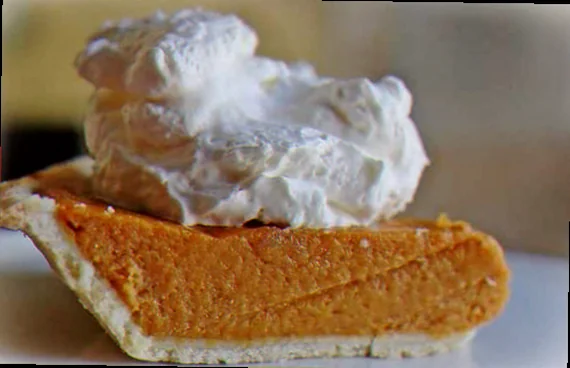
Pumpkin Pie with Baileys: A Diagnostic Guide to Perfect Results
Your Pumpkin Pie with Baileys failed. Perhaps the filling was watery and curdled, a common and disheartening outcome. Or maybe the crust was a pale, flabby shadow of what it should be. This guide will dissect every potential pitfall, from ingredient selection to the final bake, equipping you with the knowledge to banish these failures and achieve pie perfection.
What Perfect Pumpkin Pie with Baileys Actually Looks, Feels, and Smells Like
| Stage | Success marker — what you should see / feel / smell / hear |
|---|---|
| Before cooking (Filling) | A thick, smooth, homogenous mixture, the colour of rich pumpkin puree, with a faint aroma of spice and cream. It should feel substantial on the spoon. |
| During cooking (Filling) | As it bakes, the surface should set to a matte finish, with no visible liquid pooling. A gentle wobble in the centre is acceptable, indicating internal structure is forming. Internal temperature reaching 80°C. |
| At the finish (Baked Pie) | The crust is a deep golden brown, crisp to the touch, and audibly firm when tapped. The filling is set, with a slight, almost imperceptible jiggle in the very centre. The aroma is a warm, comforting blend of pumpkin, cinnamon, nutmeg, and the subtle sweetness of Baileys. |
| When serving | Cutting yields clean slices. The filling is smooth, creamy, and dense, not rubbery or grainy. The flavour is a balanced symphony of sweet pumpkin, warming spices, and the distinct, smooth caramel and whiskey notes of Baileys, with no alcohol harshness. |
The Ingredient Failures — Wrong Choices Before You Even Start Cooking
- Watery, Curdled Filling: caused by using low-fat evaporated milk or over-diluting the filling with Baileys. The fat and protein in full-fat evaporated milk are crucial for emulsification and a smooth set. → fix: Use full-fat evaporated milk (not condensed milk, and not regular milk) and limit Baileys to 60ml per pie.
- Pale, Soggy Crust: caused by using a pre-made pie crust that has been stored improperly (too cold, too warm, or exposed to air) or not blind-baked sufficiently. → fix: Use a high-quality, all-butter pie crust dough, chilled to a firm but pliable state before rolling. If using store-bought, ensure it’s fresh and follow blind-baking instructions meticulously.
- Grainy Filling Texture: caused by over-processing the pumpkin puree or using canned pumpkin that is too watery. → fix: Use pure pumpkin puree (not pumpkin pie filling) and drain any excess liquid by letting it sit in a fine-mesh sieve for at least 30 minutes.
- Alcoholic Bite: caused by adding too much Baileys or using a lower-quality, harsher liqueur. → fix: Measure Baileys precisely and opt for the classic Irish Cream variety for its balanced sweetness and flavour profile.
The Technique Failures — What Goes Wrong During Cooking
- Watery, Curdled Filling: what it looks/tastes like → a filling that has separated, with visible liquid pooling and a grainy, unpleasant texture. → caused by: Over-mixing the filling, especially after adding eggs, or baking at too high a temperature. → fix: Gently whisk filling ingredients until just combined. Bake at 190°C for 15 minutes, then reduce heat to 175°C for the remaining 35-45 minutes.
- Cracked Filling Surface: symptom → a pie with a fissured top, often sinking in the centre. → cause → Oven temperature too high or too uneven, causing the edges to set too quickly while the centre continues to expand and then collapses. → fix: Ensure oven temperature is accurate (use an oven thermometer). Consider placing a baking sheet on the rack below the pie to distribute heat more evenly.
- Soggy Bottom Crust: symptom → a flabby, undercooked base that yields easily to the fork. → cause → Insufficient blind-baking of the crust or adding the filling too soon to a partially baked crust. → fix: Blind-bake the pie crust for at least 15-20 minutes at 190°C until lightly golden, then fill and bake at the reduced temperature.
- Over-Baked, Rubbery Filling: symptom → a filling that feels tough and leathery when cut. → cause → Over-baking the pie, allowing the eggs to overcook and toughen. → fix: Bake until the edges are set and the centre has a slight wobble. A digital thermometer inserted into the centre should read approximately 80°C.
The Equipment Failures — When Your Tools Are the Problem
- Uneven Baking: what the wrong version causes → hot spots and cold spots in the oven, leading to unevenly cooked crust and filling. → what to use instead → A reliable oven thermometer. → why it matters → Ovens can be notoriously inaccurate; a thermometer ensures you’re baking at the correct temperature.
- Crust Sticking: the failure it produces → a torn crust when attempting to remove it from the pie plate. → the fix → A good quality ceramic or glass pie dish. → the workaround if unavailable → Grease and flour a metal pie pan very thoroughly, or use a pie shield to prevent the edges from burning before the base is cooked.
- Over-Mixing: why this specific tool exists for this dish → a whisk is essential for achieving a smooth, homogenous filling without incorporating too much air or developing toughness. → acceptable substitute → A flexible silicone spatula, used with a light hand.
The Full Recipe — Built Around Preventing Every Failure Above
- 1 x 23cm (9-inch) unbaked pie crust — prevents soggy bottom by requiring blind baking.
- 425g (15oz) pure pumpkin puree — prevents grainy filling by specifying pure, drained puree.
- 190g (3/4 cup) granulated sugar — standard sweetness, prevents overly sweet or bland filling.
- 1 teaspoon ground cinnamon — standard spice, prevents blandness.
- 1/2 teaspoon ground ginger — standard spice, prevents blandness.
- 1/4 teaspoon ground cloves — standard spice, prevents blandness.
- 1/2 teaspoon salt — enhances all flavours.
- 2 large eggs — binds the filling and provides richness; prevents watery filling if not over-mixed.
- 350ml (1 1/2 cups) full-fat evaporated milk — prevents watery, curdled filling by providing essential fat and protein.
- 60ml (1/4 cup) Baileys Irish Cream — prevents alcoholic bite and maintains filling integrity.
Method:
- Preheat oven to 190°C (375°F). — Prevents uneven baking and ensures proper crust setting.
- Blind-bake the pie crust: Line the pie crust with parchment paper and fill with pie weights or dried beans. Bake for 15 minutes. Remove parchment and weights, then bake for another 5-10 minutes until lightly golden. — This is where the soggy bottom crust is prevented. Success marker: the crust edges are lightly golden and the base is beginning to set.
- Reduce oven temperature to 175°C (350°F). — Prevents cracked filling and rubbery texture by allowing for gentle, even cooking.
- In a large bowl, whisk together the pumpkin puree, sugar, cinnamon, ginger, cloves, and salt. — Prevents grainy filling by ensuring all dry ingredients are fully incorporated into the puree. Success marker: a smooth, uniform orange paste.
- In a separate small bowl, lightly whisk the eggs. — Prevents rubbery filling by avoiding over-development of egg proteins.
- Gradually whisk the evaporated milk and Baileys into the pumpkin mixture. — Prevents watery, curdled filling by ensuring gradual emulsification. This is a critical control point where the watery, curdled filling can occur if over-mixed. Success marker: a thick, homogenous, glossy mixture.
- Gently whisk in the lightly beaten eggs until just combined. — Prevents rubbery filling.
- Pour the filling into the blind-baked pie crust. — Prevents uneven baking.
- Bake for 35-45 minutes, or until the edges are set and a knife inserted near the centre comes out clean. — Prevents over-baked, rubbery filling and cracked filling. Success marker: the centre should have a slight, almost imperceptible wobble.
- Cool completely on a wire rack for at least 2 hours before serving. — Allows the filling to fully set and prevents it from being too soft.
How to Rescue [Pumpkin Pie with Baileys] When It Has Already Gone Wrong
- If the filling is watery and curdled: There is no easy rescue. The emulsification has failed. You can try gently reheating the pie on the stovetop on very low heat, stirring constantly, to try and re-emulsify, but success is unlikely. Best to salvage what you can (scraping out the less-curdled parts) and start again.
- If the crust is soggy: If the pie is still in the oven, try to lift the pie onto a higher rack to allow the bottom to crisp up. If already baked, you can attempt to crisp the bottom by placing the pie directly on a preheated baking sheet for a few minutes at 175°C, but this is a partial fix.
- If the filling has cracked badly: You can cover the cracks with whipped cream or a dollop of ice cream. The flavour will still be good, but the visual appeal is compromised.
- If the filling is over-baked and rubbery: This is usually unrecoverable. The texture is permanently altered.
Make-Ahead: Which Failures This Introduces and How to Avoid Them
Making pumpkin pie ahead is generally fine, but it can introduce the soggy bottom crust failure if not stored correctly.
- Cause: Moisture from the filling seeping into the crust during refrigeration.
- Fix: Once completely cooled, store the pie UNCOVERED in the refrigerator for up to 2 days. Covering it traps steam, exacerbating sogginess. When ready to serve, allow it to sit at room temperature for 30 minutes to an hour to take the chill off and improve texture. Reheating in a 150°C oven for 10-15 minutes can help crisp the crust again, but do not reheat uncovered for too long as it can dry out the filling.
Related topics: Whipped cream for pumpkin pie recipe · What is in pumpkin pie recipe · Apple pie recipe small batch
Diagnostic FAQ — Real Failures, Real Fixes
My [Pumpkin Pie with Baileys] turned out watery and separated — what went wrong?
This is the watery, curdled filling failure. The most likely cause is using low-fat evaporated milk or adding too much Baileys. For next time, use full-fat evaporated milk and measure the Baileys precisely, limiting it to 60ml.
It looked right but tasted bland — where did I go wrong?
This points to an issue with ingredient quality or spice balance. Ensure you are using pure pumpkin puree and not pie filling. Check the freshness of your spices – old spices lose their potency. For next time, consider slightly increasing the spices by 1/4 teaspoon each, or adding a pinch of nutmeg for extra warmth.
Everything looked perfect until I cut into it, and the filling was rubbery — why did it crack?
This indicates the over-baked, rubbery filling failure. The pie was likely in the oven for too long, allowing the eggs to overcook and toughen. The fix for next time is to bake until the edges are set and the centre has a slight wobble, and to rely on a digital thermometer to confirm an internal temperature of around 80°C.