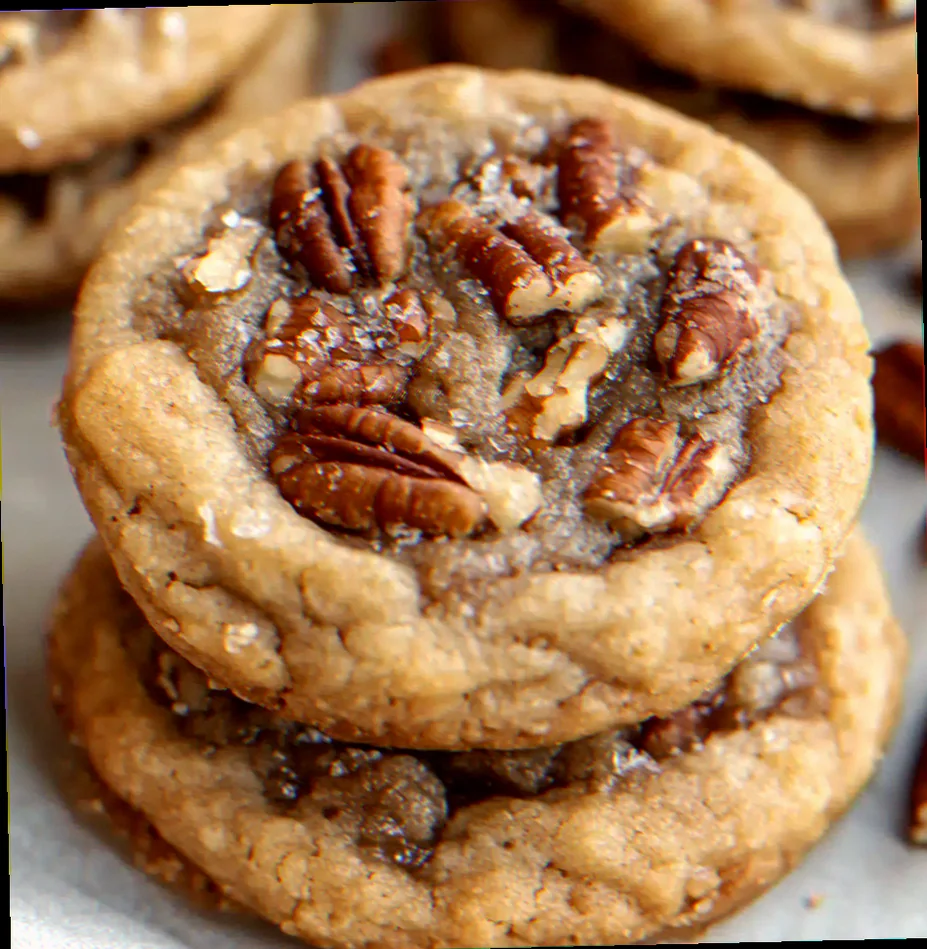
The first time I made Homemade Pecan Pie Cookies, it was a disaster. I’d envisioned these little bites of pure bliss, a miniature explosion of everything I love about Thanksgiving dessert, but what I pulled from the oven was a tray of sad, flat discs that tasted vaguely of burnt sugar and regret. They were greasy, brittle, and utterly devoid of the rich, chewy texture of a proper pecan pie. It took me years of tinkering, countless batches that ended up in the bin, before I understood the singular revelation: The importance of the chilled dough rest.
Why Most Versions of Pecan Pie Cookies Fail
Most people, bless their hearts, treat these like any other cookie. They cream butter and sugar, dump in the rest of the wet ingredients, stir in the dry, and then immediately scoop them onto a baking sheet. This is the wrong way. What you get is a cookie that spreads like wildfire in the oven, losing all structural integrity. Instead of a tender, slightly chewy cookie that cradles a gooey pecan filling, you end up with a brittle, greasy shard that shatters upon touch. The flavour is there, sure, but the texture is all wrong. It’s the difference between a comforting hug and a slap in the face.
The Ingredients That Actually Matter
It’s not just about throwing everything together. My journey taught me that certain ingredients are non-negotiable for achieving that perfect balance. First, the butter. I use 227g of unsalted butter, and it has to be softened, not melted. Melted butter is an invitation to greasiness and excessive spreading. Then there’s the sugar. I’ve found a mix of 150g of light brown sugar and 75g of granulated sugar is key. The brown sugar brings that essential molasses depth and chewiness, while the granulated sugar lends a bit of crispness without making it dry. For the flour, I’ve settled on 240g of all-purpose flour. Too much, and you get a dry, crumbly cookie; too little, and it’s just a greasy puddle. And then, of course, the star: pecans. I use about 150g of chopped pecans, toasted first. Toasting them isn’t optional; it awakens their nutty flavour and adds a crucial textural crunch that cuts through the sweetness. A splash of pure vanilla extract (5ml, to be exact) is essential for rounding out all the flavours, and a pinch of salt, about 3g, is vital to balance the sweetness.
The Moment Everything Changes: The Chilled Dough Rest
The revelation, the singular insight that transformed my pecan pie cookies from a culinary crime scene to a cherished treat, was the chilled dough rest. Before I embraced this simple step, I was battling my ingredients. Now, I collaborate with them. When you chill cookie dough, especially one with a higher fat content like this, you’re allowing the flour to fully hydrate and the fats to firm up. This means less spreading in the oven and a denser, chewier cookie that holds its shape. The difference is night and day. Without the chill, you get brittle shards. With the chill, you get tender, slightly chewy cookies that have the satisfying heft of a proper pie slice. It’s the science of hydration and fat solidification at play, and it’s pure magic.
How I Actually Make It Now — Step by Step
Creaming the Base: In my stand mixer, I beat 227g of softened unsalted butter with 150g of light brown sugar and 75g of granulated sugar on medium speed until it’s light and fluffy, about 3-4 minutes. You’ll see it change colour, becoming paler and noticeably airier. This isn’t just about mixing; it’s about incorporating air, which contributes to the cookie’s final texture.
Adding the Wet Ingredients: I add one large egg and 5ml of pure vanilla extract. I mix on low speed until just combined, scraping down the sides of the bowl to make sure everything is incorporated. Overmixing here can develop gluten too much, leading to tougher cookies.
The Dry Mix: In a separate bowl, I whisk together 240g of all-purpose flour and 3g of salt. This ensures the salt is evenly distributed.
Bringing It Together: I gradually add the dry ingredients to the wet ingredients, mixing on low speed until just combined. You’ll see the dough start to come together. Stop mixing as soon as you don’t see streaks of flour. This is crucial for tenderness.
The Pecan Embrace: Now, I gently fold in about 150g of toasted, chopped pecans. I do this by hand with a spatula, ensuring they’re distributed evenly without overworking the dough.
The Crucial Chill: This is where the magic happens. I divide the dough into two discs, wrap them tightly in plastic wrap, and refrigerate for at least 2 hours, or ideally, overnight. This step is non-negotiable. Rushing this will lead to your cookies spreading into sad, greasy pancakes.
Shaping and Baking: When I’m ready to bake, I preheat my oven to 175°C (350°F). I line my baking sheets with parchment paper. I scoop the chilled dough using a 2-tablespoon cookie scoop, rolling each portion into a ball. I don’t flatten them; the dough is firm enough to hold its shape. I place them about 5cm (2 inches) apart on the prepared baking sheets.
The Bake: I bake for 10-12 minutes. You’re looking for the edges to be golden brown and set, but the centres should still look slightly soft. They’ll continue to cook on the baking sheet. Don’t overbake; that’s the quickest route to brittle cookies.
Cooling: I let them cool on the baking sheet for 5 minutes before transferring them to a wire rack to cool completely. This allows them to firm up without becoming hard.
The Failures I Still See — and How to Fix Them
- Greasy Cookies: This is almost always due to overmixing the dough after adding the flour or not chilling the dough sufficiently. The fat isn’t held in place. Fix: Ensure your butter is softened but not melted, and give that dough at least 2 hours in the fridge.
- Spreading Too Much: This is the hallmark of not chilling the dough. The fat melts too quickly in the oven. Fix: Patience. Refrigerate the dough. It’s the most important step.
- Dry and Crumbly Texture: This can happen from overbaking or using too much flour. The balance is delicate. Fix: Watch your cookies like a hawk. Pull them when the centres are still a little soft. For flour, if your dough feels too dry initially, it’s usually okay once it comes together with the butter’s moisture.
When I Make This and What I Serve It With
Homemade Pecan Pie Cookies are my go-to for impromptu gatherings and holiday cookie platters. They’re the perfect little treat to bring to a potluck because they travel so well and always disappear first. I often make them when I’m craving that rich pecan pie flavour but don’t want to commit to a full pie, especially when I’m entertaining a crowd. They sit beautifully alongside my Mini Pumpkin Cheesecakes, offering a different flavour profile and texture. They also pair wonderfully with a simple, unfussy Cranberry Orange Bread, providing a sweet counterpoint. And for a drink? A warm mug of Spiced Apple Cider is absolute perfection.
Substitutions I’ve Tested Honestly
- Butter → Margarine: I tried using a good quality vegan butter, and while the flavour was passable, the texture suffered. It tended to spread more and lacked that rich, buttery mouthfeel. It’s acceptable if you must, but it’s not the same.
- Pecans → Walnuts: Honestly, it’s just not the same. Walnuts have a more assertive, slightly bitter flavour that doesn’t quite sing with the caramel notes of pecan pie. If you’re going for this flavour profile, stick with pecans. If you just can’t find pecans, then yes, walnuts are the next best thing, but don’t expect pecan pie.
- Gluten-Free Swap: I’ve experimented with a 1:1 gluten-free flour blend, and it works, but it’s not ideal. The cookies are a bit more crumbly and don’t have quite the same chew. The chilling step becomes even more critical. It genuinely passes, but it’s a compromise.
Questions I Get Asked About Pecan Pie Cookies
Can I make the dough ahead of time?
Absolutely! In fact, I highly recommend it. I often make the dough a day or two in advance and keep it wrapped tightly in the fridge. It actually improves the flavour and texture. Just bring it out about 15 minutes before scooping if it’s rock hard.
My cookies are too hard. What did I do wrong?
You probably overbaked them. They continue to cook on the hot baking sheet after you pull them from the oven. Next time, pull them out when the centres still look a little soft and gooey. They should feel set around the edges but have a slight give in the middle.
Related topics: Southern living recipe pecan pie cake · Pecan sour cream pie crust recipe · 131 main banana cream pie recipe
I don’t have enough time to chill the dough. Can I skip it?
No. Seriously, don’t skip it. I know it’s tempting, I’ve been there, and it’s the reason for so many failed batches. If you’re short on time, make the dough early in the day and chill it for at least 2 hours. That’s the bare minimum. The longer, the better. Trust me on this one.